
Social proof
The argument is somebody else's sentence, not ours. Used when the category is crowded and the buyer trusts peers over brands.
Meta ads for DTC brands, built from what your buyers actually say and an audit of what your competitors are running right now. You get enough creative to find the winner, and the report that shows which one it was. First ads live in two weeks.
Built for DTC and ecommerce brands already running, or ready to run, Meta Ads. No long-term contracts.

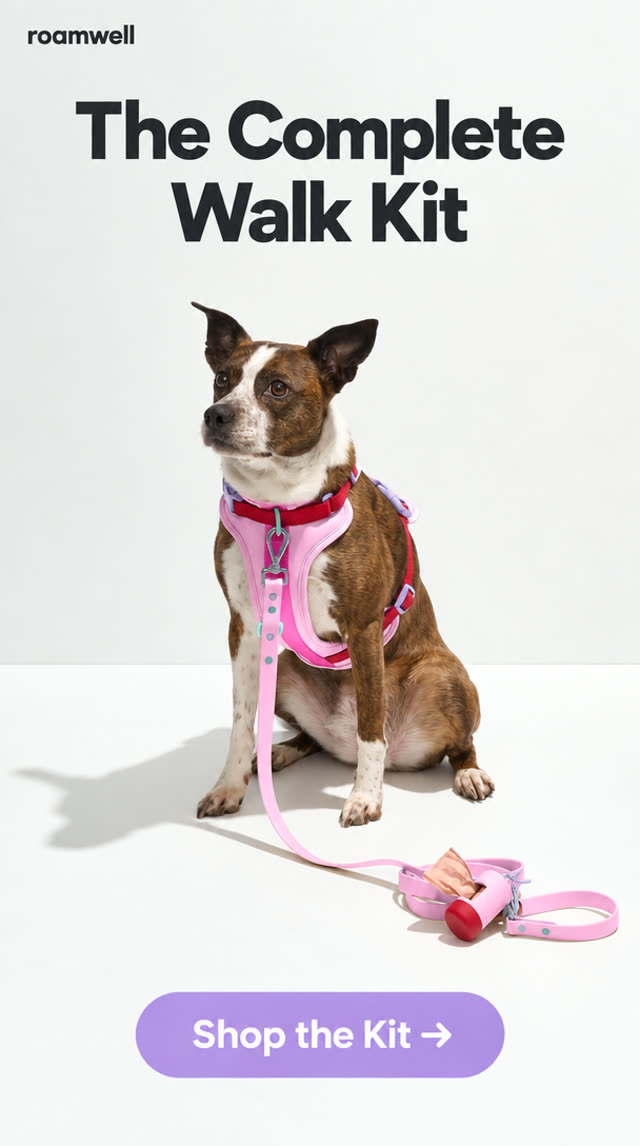



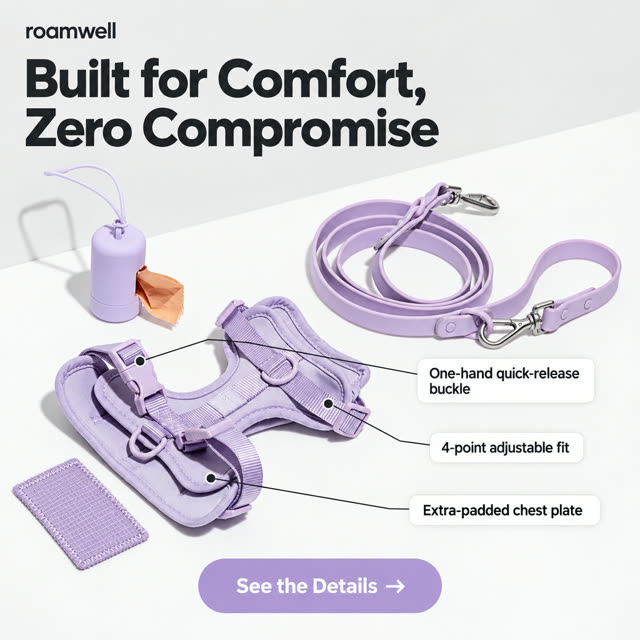



Demo work: real research and a real production process, no client engagement claimed.
 Google Ads
 Google Certified
 Meta Ads
Trusted by
Most businesses buy these from three different people and lose weeks in the handoffs. Here they're one job.
Every concept is built from a real reason your buyers already believe, so it argues to buy instead of just looking good in a feed.
Launched on your own Meta Ads account. Every concept runs against the others, the loser gets cut, and the budget follows what's actually converting.
What ran, what it cost, what it earned back. One report, in the numbers that matter to your business, not platform vanity metrics.
Never a generic stand-in that looks "similar enough". A sample of the work currently in production, and every piece is labeled: demo work is real research with no client relationship confirmed, client work is a confirmed engagement.
Want to see more from a category, or a niche that isn't listed here yet? Ask on the call.
A prompt that looks good and an ad that sells are different things. Four steps, in this order, every time. Skipping the first two is what makes most "AI ad" creative forgettable.
Real reviews, forums, your buyer's avatar, your real visual identity, photos, colors, logo. The angle comes from what people actually say, not a hunch.
What your category's top 2–3 competitors are running right now in Meta Ad Library, how many ads, how long, what angle. That decides format.
Concepts anchored to your real product, presented before anything is generated. Nothing gets made, or published, without your sign-off.
Who sees each piece, and with what campaign objective, set from the same research, not generic platform interests. Launched on your own Meta account.
Live in two weeks. Better every week after, as the campaign cuts the losers and the budget follows what converts.
Everything runs on Meta. Whether a concept ships as an image or a video, and which family of angle it uses, is not a style choice: it is whatever the competitor audit shows is already winning in your category.
Two paradigms, picked by what the category's top ads already run: branded hero, a composed shot with the brand visible, or native, a plain review-style photo with comment copy over it for cold traffic.
AI-generated UGC-style avatars in testimonial, before-after, demo and problem-solution scripts. Recommended when the audit shows the category running mostly video.
Which angle inside a family your product gets is what the audit answers.
The argument is somebody else's sentence, not ours. Used when the category is crowded and the buyer trusts peers over brands.
Two states, two methods or two options, side by side. Used when the product wins on a difference the buyer can see in one second.
Built to read like something a person posted, not like an ad. Used for cold traffic, where anything that looks bought gets scrolled past.
The thing working, in the exact situation the buyer is worried about. Used when the objection is "will this actually hold up".
This is not about being cheaper. It's about what happens to a campaign when the creative, the buying and the reporting live in three different inboxes.
The research-first process only pays off for a specific kind of account. Better to say so upfront than waste your time on a call.
Physical product, real margin, already running Meta Ads or ready to start, without an in-house content team or the budget for studio shoots.
If there's no Meta spend today or planned, or the only brief is "make it as cheap as possible" regardless of whether it sells, this process isn't built for that.
Real accounts, real spend, and the number that mattered to each business.
[One line on what ran and over what period.]
[One line on what ran and over what period.]
[One line on what ran and over what period.]
Every plan includes the research, the creative (image and video), the Meta account management, and the reporting. What changes is how many concepts you get each month.
Get the research-led process on the board and prove the model on real spend.
Where most accounts find their winners
Enough creative to test properly, image and video, with the budget following the winners.
For accounts spending enough that creative fatigue is the bottleneck, not budget.
*Ad spend is separate and paid directly to Meta through your own account, you keep full ownership of the account, the data and the audiences. No long-term contracts.
[Quote, what changed for them, in their own words.]
[Quote, what changed for them, in their own words.]
[Quote, what changed for them, in their own words.]
 MR
MR
I've spent 5+ years managing paid media for companies in Argentina, the U.S. and Canada. The pattern never changed: the targeting was fine, the campaigns were fine, and the whole thing lived or died on whether there was a fresh creative to test that week.
So I stopped waiting on creative and started producing it. Every project now starts in the research, real reviews and a real competitor audit, before anything gets generated. Concepts get approved before they're made. None of that is automatic, and that's the point.
A free strategy call: a quick read on what's winning in your category on Meta right now, and what the first batch of concepts would look like for you.
Book a Free Strategy CallPrefer to send details first? Fill this out and you'll get a reply within 24 hours, or answer nine questions and get an honest read on whether this fits your account.